Museo del Fin del Mundo
In the heart of Ushuaia, the Museo del Fin del Mundo traces the history of the Yaghan and Selknam peoples, European expeditions, and the penitentiary colony that founded the world's southernmost city.
The Museo del Fin del Mundo stands in the heart of Ushuaia within a historic early twentieth-century building. It traces the history of Tierra del Fuego: the Yaghan and Selknam peoples, European expeditions, the penitentiary colony, and the rise of the world's southernmost city. It's the natural starting point for understanding this region before exploring Patagonia and the Beagle Channel.
Quick Reference Information
- Admission: paid entry (reduced rate for Argentine residents)
- Suggested duration: 1 to 1.5 hours
- Language: signs primarily in Spanish, some in English
- Dress code: no restrictions
What You'll See
The museum occupies two sites in Ushuaia. The main building, a former National Bank, houses permanent collections on local wildlife (taxidermied birds and marine mammals), tools and objects from the indigenous Yaghan and Selknam peoples, as well as photographic and cartographic archives from the first European expeditions to Tierra del Fuego.
One section is dedicated to the history of Ushuaia's prison and its role in populating the region. Period models and documents illustrate the lives of prisoners and early settlers.
History and Context
Founded in 1979, the museum is one of the oldest in the Tierra del Fuego province. It is housed in a building constructed in the early twentieth century, a testament to the city's colonial architecture. Its mission: to preserve the memory of the indigenous peoples of southern Patagonia, now largely disappeared, and to document the European colonization of this extreme end of the American continent.
Highlights of Your Visit
Yaghan and Selknam Collections
The display cases gather hunting tools, ornaments, and everyday objects from the nomadic peoples who inhabited these lands long before European arrival. These artifacts are rare and fragile: some pieces are unique in the world.
Photographic and Cartographic Archives
Nineteenth and early twentieth-century photographs show Ushuaia in its infancy: a handful of wooden houses, pristine bay waters, the first ships. A striking contrast with the city today.
Penitentiary History Section
Ushuaia's prison, opened in 1902 and closed in 1947, shaped the city's development. Documents, photographs, and personal objects of inmates illustrate this often-overlooked period in Argentine history.
Photography Tips
Photography is generally permitted in permanent spaces without flash. Artificially lit display cases yield good results with manual white balance adjustment. Avoid flash on textiles and archival photographs to prevent damage.
Location and Access
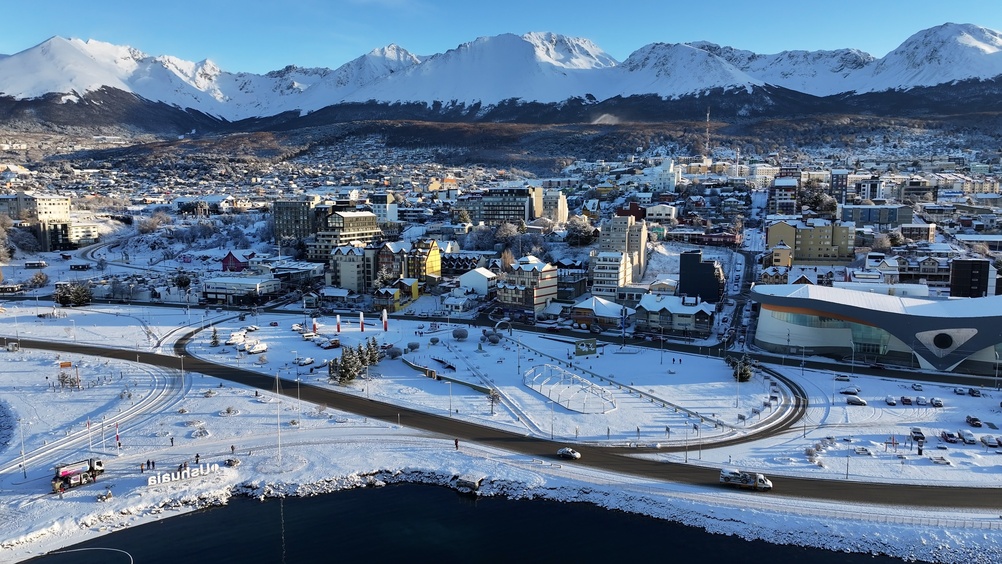
The museum is located on Avenida Maipú in central Ushuaia, within walking distance of the port and the pedestrian San Martín street. The city is accessible from Buenos Aires by direct flights. From the center, everything is walkable. ADA access depends on the historic building; inquire directly with the museum.
Immediately nearby: the Beagle Channel and Tierra del Fuego National Park.
In the Surroundings
- Ushuaia Maritime and Former Prison Museum — the former prison converted into a museum, a few streets away, deepens the city's penitentiary history.
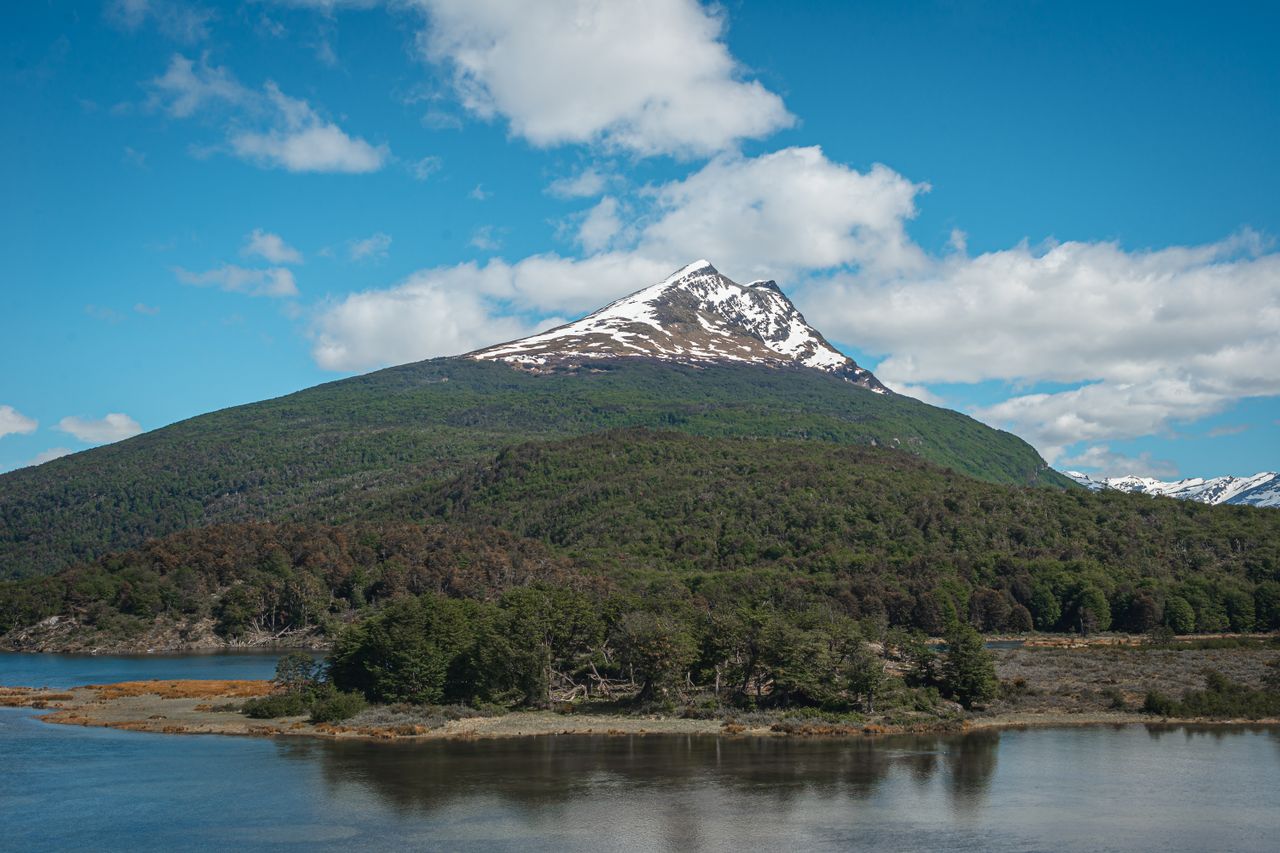
- Tierra del Fuego National Park — lenga forests, peatlands, and shores of the Beagle Channel, about a dozen kilometers west.
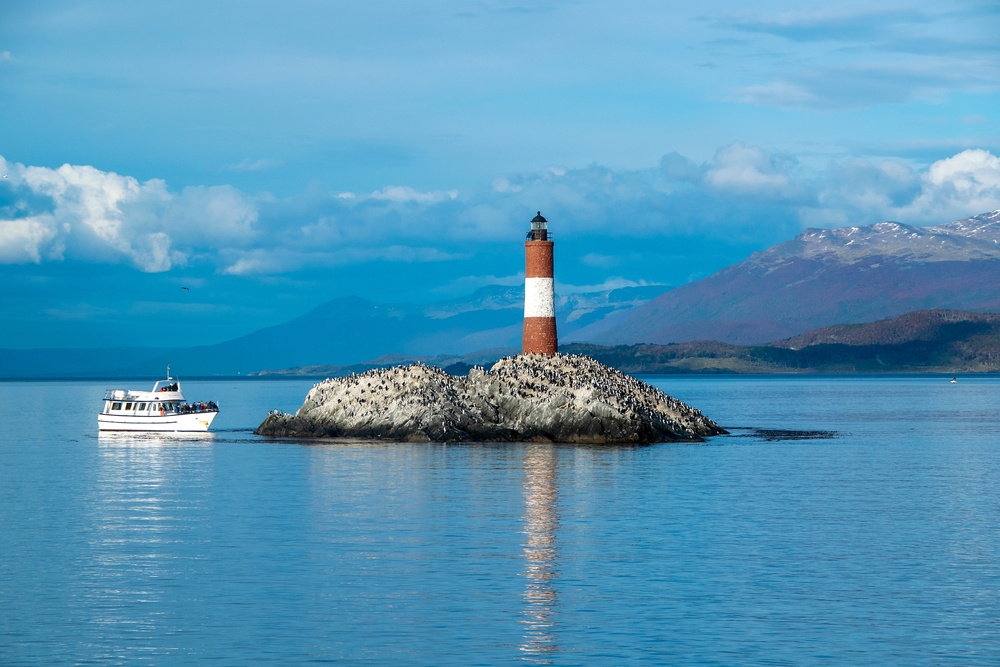
- Beagle Channel — boat excursions from Ushuaia's port to islands with sea lions and penguins.
- Martial Glacier — chairlift and hiking above the city, with panoramic views over the bay.
Frequently asked questions
The museum is open year-round. In southern summer (November to March), Ushuaia is busier and days are very long. In winter, the city is quieter and the museum makes for a good rainy-day activity.
Allow between one and one and a half hours to browse the permanent collections at your own pace.
Yes. Both museums are located in central Ushuaia and complement each other well: one covers natural and indigenous history, the other penitentiary history. Half a day is sufficient for both.
Texts are primarily in Spanish, with some English translations. There is no official French version; an English-speaking local guide can enrich the experience.
Photography without flash is generally tolerated in permanent spaces. Check the notices posted at the entrance to each room.
Nearby
Interested in this visit?
We can include it in your personalised itinerary.