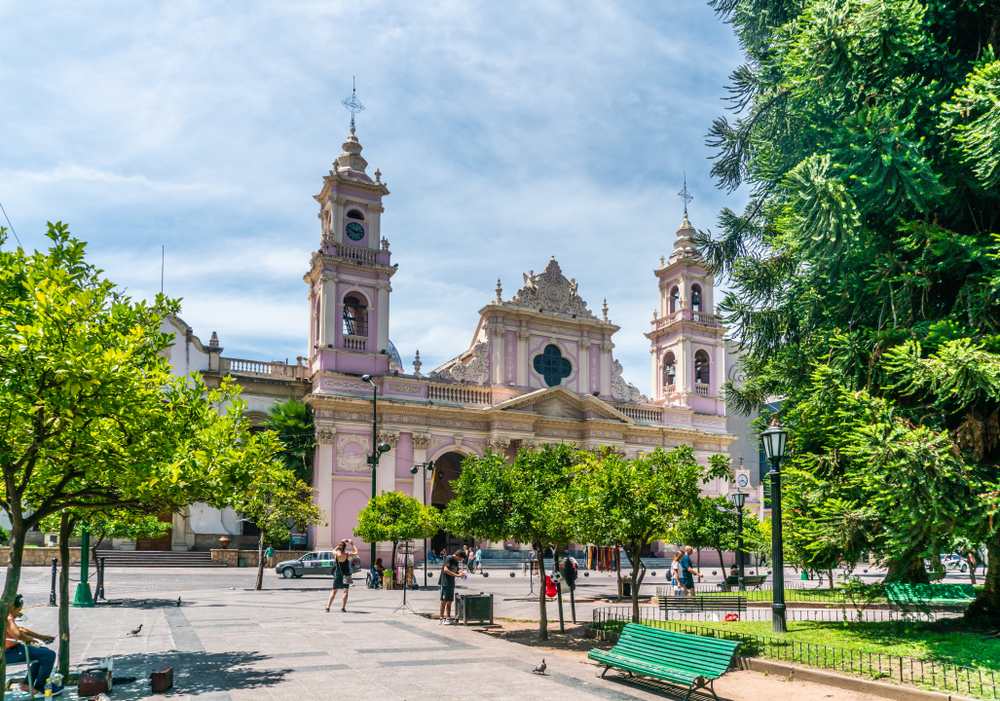
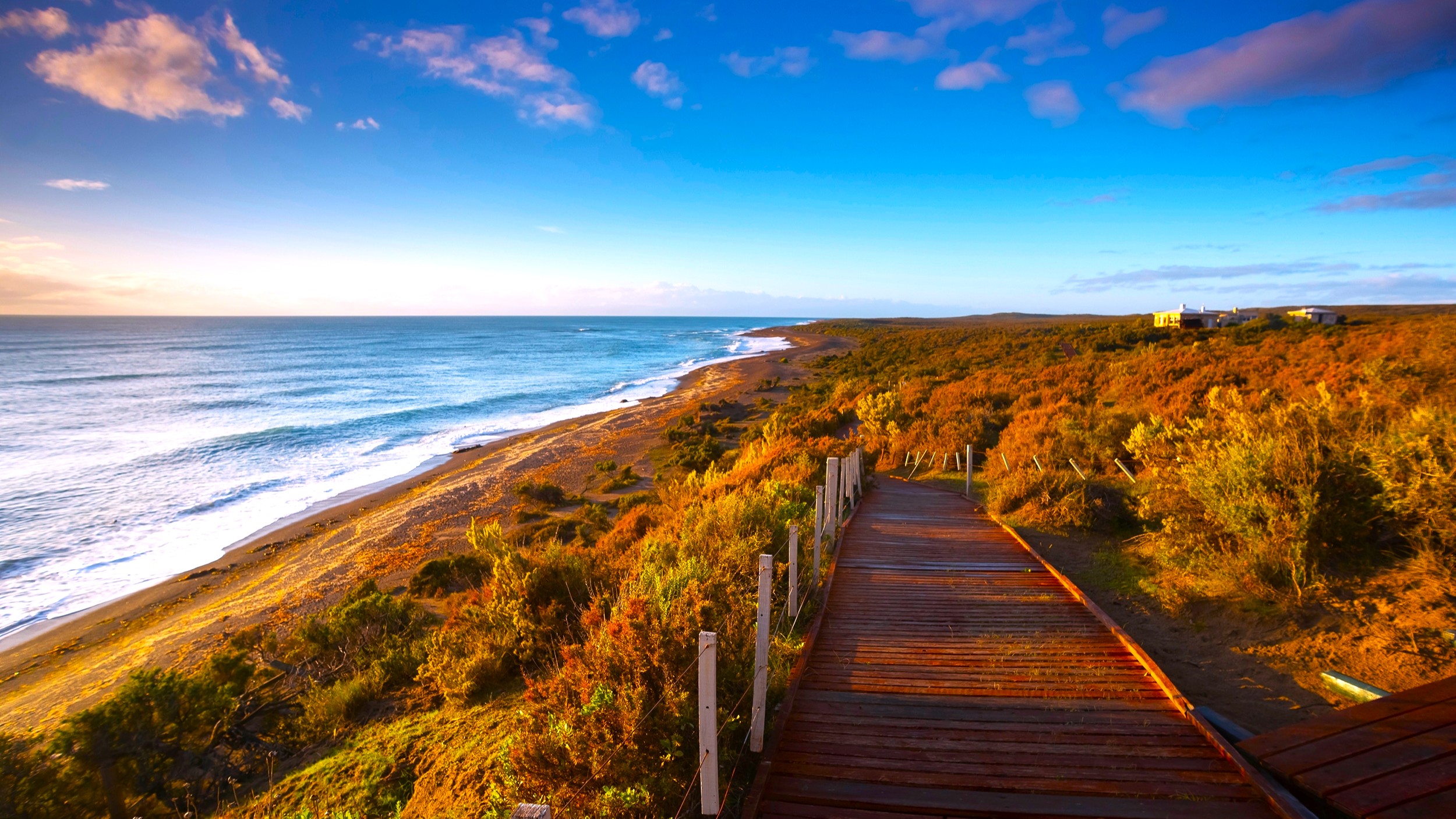
Punta Cantor
A headland on Península Valdés (Patagonia), Punta Cantor hosts one of the largest colonies of Southern elephant seals accessible to the public, spectacular from September to November.
Punta Cantor is a rocky headland located on the Península Valdés, in Argentine Patagonia. This UNESCO World Heritage site hosts one of the largest colonies of Southern elephant seals accessible to the public. Between September and November, the pebble beaches transform into scenes of intense wildlife, just meters from visitors.
Practical information at a glance
- Access: unpaved track from Puerto Pirámides or Puerto Madryn; all-terrain vehicle recommended depending on conditions.
- Recommended duration: 1 to 2 hours on site.
- Best time: September to November for elephant seals (births, male battles); December to March for sea lions.
- Rules: mandatory minimum distance from animals; never position yourself between an animal and the sea.
What you'll see
The Southern elephant seals (Mirounga leonina) occupy the beach in impressive numbers. Adult males, reaching over four meters in length, fight for control of harems. Females give birth and nurse their pups on the pebbles. Sea lions also frequent the area depending on the season.
History and context
Península Valdés has been protected for decades for its exceptional concentrations of marine mammals. Punta Cantor is part of the network of marked visit sites managed by Chubut provincial administration, which regulates access to limit disturbance to the colonies.
Highlights of the visit
The breeding season (September – November)
This is the most spectacular period. Females give birth on the beach, pups learn to swim in tide pools. Male battles, loud and violent, structure the group's hierarchy.
Sea lions in the austral summer
Between December and March, sea lions (Otaria flavescens) take over on the rocks. Less massive than elephant seals, they are more mobile and vocal.
Photography tips
Low-angle light in early morning and late afternoon accentuates skin textures and pebble relief. Use a telephoto lens: regulatory distances are significant and animals move quickly. Avoid flash, which disturbs the young.
Location and access
Punta Cantor is located on the eastern coast of Península Valdés, north of Punta Norte. The main route from Puerto Madryn crosses the peninsula's isthmus before following the coast. An entry fee to the peninsula is charged at the provincial checkpoint. The access track to the site may become impassable after heavy rain.
Nearby
- Punta Norte — mixed colony of elephant seals and sea lions, famous for orca attacks during season.
- Caleta Valdés — inland lagoon sheltering a significant elephant seal colony and Magellanic penguins.
- Punta Delgada — cliffs to the south of the peninsula, another elephant seal observation site.
- Puerto Pirámides — only village on the peninsula, departure point for boat excursions to observe Southern right whales.
Frequently asked questions
September to November to witness elephant seal births and male battles. December to March, sea lions are present in large numbers.
A vehicle with good ground clearance is recommended. The unpaved track can become difficult after rain. Check road conditions before departing.
No. A mandatory minimum regulatory distance must be maintained at all times. Never cut between an animal and the sea: elephant seals can charge quickly despite their appearance.
Yes, but distances on the track are long. A full day allows you to cover Punta Cantor, Caleta Valdés, and Punta Norte. Bring water and food, as services are scarce on the peninsula.
Yes, photography is permitted. Avoid using flash near young animals. A telephoto lens is essential to respect regulatory distances while obtaining quality images.
Interested in this visit?
We can include it in your personalised itinerary.