Luján de Cuyo
Luján de Cuyo
South of Mendoza, Luján de Cuyo concentrates high-altitude vineyards and emblematic malbec wineries of Argentina, blending contemporary architecture, historic cellars, and panoramic Andean views.
Luján de Cuyo is a wine-producing district located south of Mendoza city, at the foot of the Andes. Its high-altitude vineyards produce some of Argentina's most acclaimed malbecs. Between historic wineries, wine routes, and Andean landscapes, it stands as the essential destination for anyone seeking to understand Argentine wine within its natural and cultural setting.
Quick reference guide
- Access from Mendoza: by car or taxi, approximately 30 km south of the city center via Route 40.
- Recommended duration: a full day to visit two or three wineries; a weekend to explore the region thoroughly.
- Winery visits: booking is recommended, especially during high season (January–March).
- Dress code: no dress constraints; comfortable shoes advised for touring the cellars.
What to see
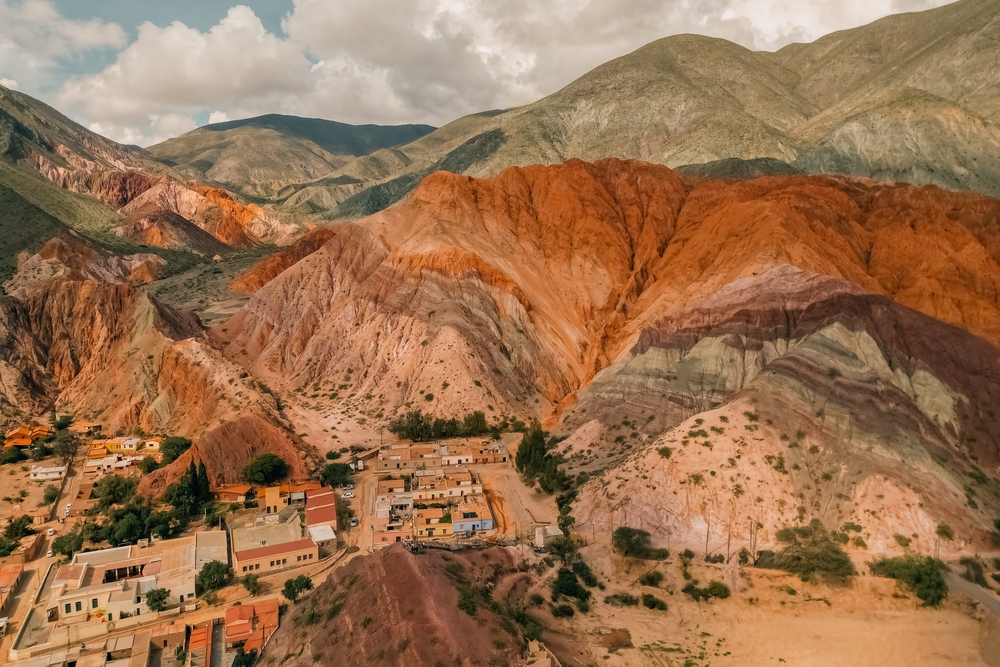
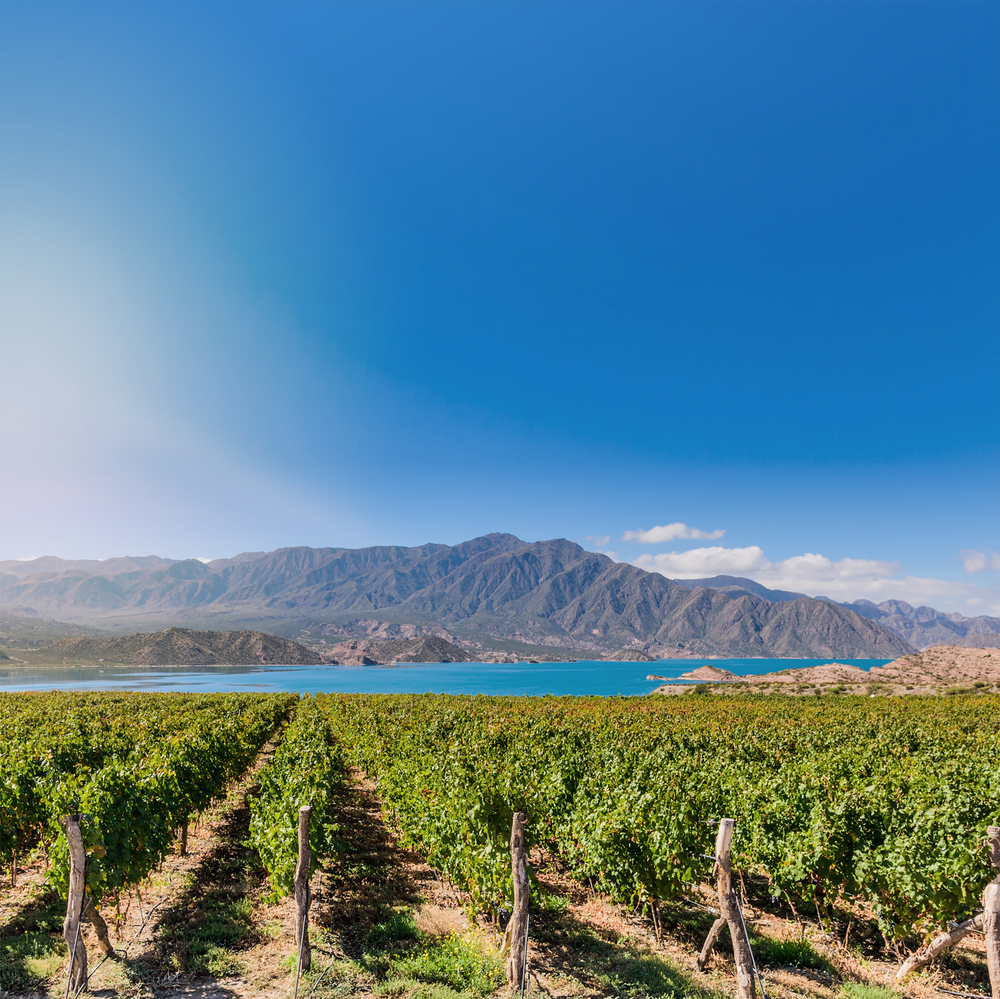
The landscape alternates between trellised vines, golden poplars in autumn, and snow-capped peaks as a backdrop. Wineries range from adobe colonial architecture to contemporary structures designed by international architects. Some estates feature integrated fine dining restaurants, wine museums, and charming accommodation.
History and context
Viticulture developed in this area from the late 19th century onward, driven by Italian and Spanish immigration. The altitude—between 900 and 1,100 meters—and the acequia irrigation system (Andean canals) shaped a distinctive terroir. Malbec, a French varietal acclimated here, became the region's symbol and that of Argentine wine as a whole.
Highlights of a visit
The Grand Crus Route of Luján
Several emblematic wineries dot the sub-zones of Vistalba, Agrelo, and Perdriel. Each offers guided tastings that reveal the soil and altitude differences across vineyard parcels.
The Vendimia harvest (March)
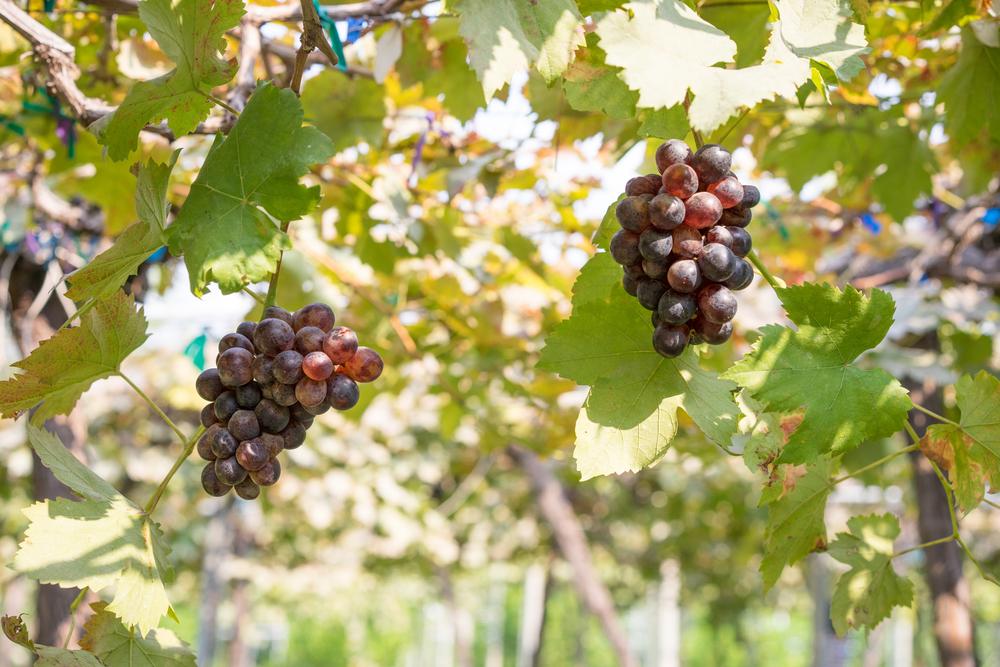
Manual grape harvesting takes place in March. Some wineries welcome visitors to their vineyards to participate in the picking—a hands-on experience of the Andean viticulture cycle.
Winery restaurants
Several estates house fine dining establishments that pair regional cuisine with wine pairings. The setting—endless vineyards with the Andes as backdrop—deepens the experience.
The village of Chacras de Coria
This residential and artistic village, integrated into the district, concentrates art galleries, cafés, and craft shops in a tree-lined setting. It makes for a pleasant interlude between winery visits.
Photography tips
Golden late-afternoon light on the vines with snow-capped Andes in the distance creates the most striking composition. In autumn (April–May), vineyard foliage turns red and gold. Inside the cellars, light is dim: night mode or a tripod improves results. Check with each winery whether photography is permitted in the barrel rooms.
Location and access
Luján de Cuyo extends southwest of Mendoza along Route 40 and Provincial Route 15. Most wineries are accessible by rental car or organized tours departing from Mendoza. Some local agencies offer cycling circuits between estates on flat terrain. Wheelchair accessibility varies by winery: recently built facilities are generally well-equipped, historic cellars less so.
Nearby places: Mendoza city center, Maipú (another wine region to the northeast), Chacras de Coria.
In the surrounding area
- Maipú — neighboring wine district renowned for cyclist-friendly wineries and olive oil cellars.
- Mendoza city center — provincial capital with Plaza Independencia, museums, and nightlife.
- Aconcagua Provincial Park — approximately two hours west, the roof of the Americas for hikers and climbers.
- Potrerillos — mountain lake and outdoor activities (rafting, trekking) in the nearby cordillera.
Frequently asked questions
Spring (October–November) and autumn (March–May) are ideal. In March, the vendimia animates the vineyards; in April–May, autumn foliage colors the parcels. Summer (January–February) is warm, and wineries remain open.
Yes, booking is strongly recommended, especially for premium tastings and winery dinners. Many estates do not accept visits without an appointment.
It's possible but intensive. It's better to dedicate a day to each zone to enjoy tastings without rushing. A driver or organized tour simplifies logistics.
Mendoza agencies offer minibus or e-bike circuits. Taxi or ride-sharing remains the most flexible option for estates away from main routes.
Modern facilities generally have ramps and adapted spaces. Historic cellars carved into rock may present obstacles. Contact each winery directly before your visit.
Malbec is the region's signature grape. The sub-zones of Agrelo and Vistalba produce particularly acclaimed expressions, with silky tannins linked to altitude and stony soils.
Interested in this visit?
We can include it in your personalised itinerary.