Isla de los Estados (Staten Island)
Staten Island, off the coast of Ushuaia, is a wild and nearly uninhabited territory. A Jules Verne-inspired lighthouse, sea lions, penguins and subantarctic forest: an extraordinary maritime expedition.
Staten Island (Isla de los Estados) stands at the eastern tip of Tierra del Fuego, separated from the continent by the Le Maire Strait. A wild and nearly uninhabited territory, it belongs to the Tierra del Fuego province. Its jagged coastlines, forests of southern beech and marine wildlife make it an expedition destination for travelers seeking an authentic end of the world, far from the classic Ushuaia circuits.
What You'll See
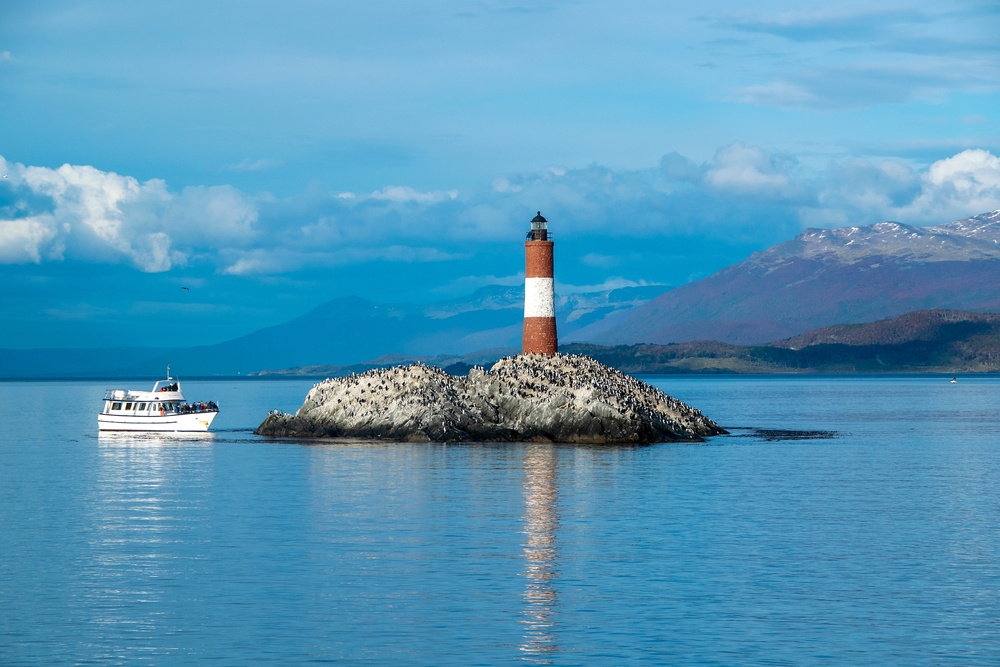
The island is home to colonies of maned sea lions, Magellanic penguins and numerous species of seabirds. The vegetation is dominated by subantarctic forest of lenga (southern beech) and ñire. The San Juan de Salvamento lighthouse, rebuilt, is one of the rare permanent human traces on the island — it inspired Jules Verne for The Lighthouse at the End of the World.
History and Context
Known to navigators since the 16th century, Staten Island long served as a landmark for ships rounding Cape Horn. An Argentine penal settlement operated there in the late 19th century. The San Juan de Salvamento lighthouse, built in 1884, was one of Argentina's first lighthouses in these waters. Jules Verne drew inspiration from it for his 1905 novel, which anchored the island in the world's literary imagination.
Highlights of Your Visit
The San Juan de Salvamento Lighthouse
A replica of the original lighthouse inaugurated in 1998, it can be visited during organized expeditions from Ushuaia. It is the symbolic convergence point between Argentine maritime history and the Verne universe.
Marine Wildlife
Zodiac or sailing vessel approaches allow respectful observation of sea lions, Commerson's dolphins and penguins. The waters of the Le Maire Strait are among the richest in Patagonia.
The Subantarctic Forest
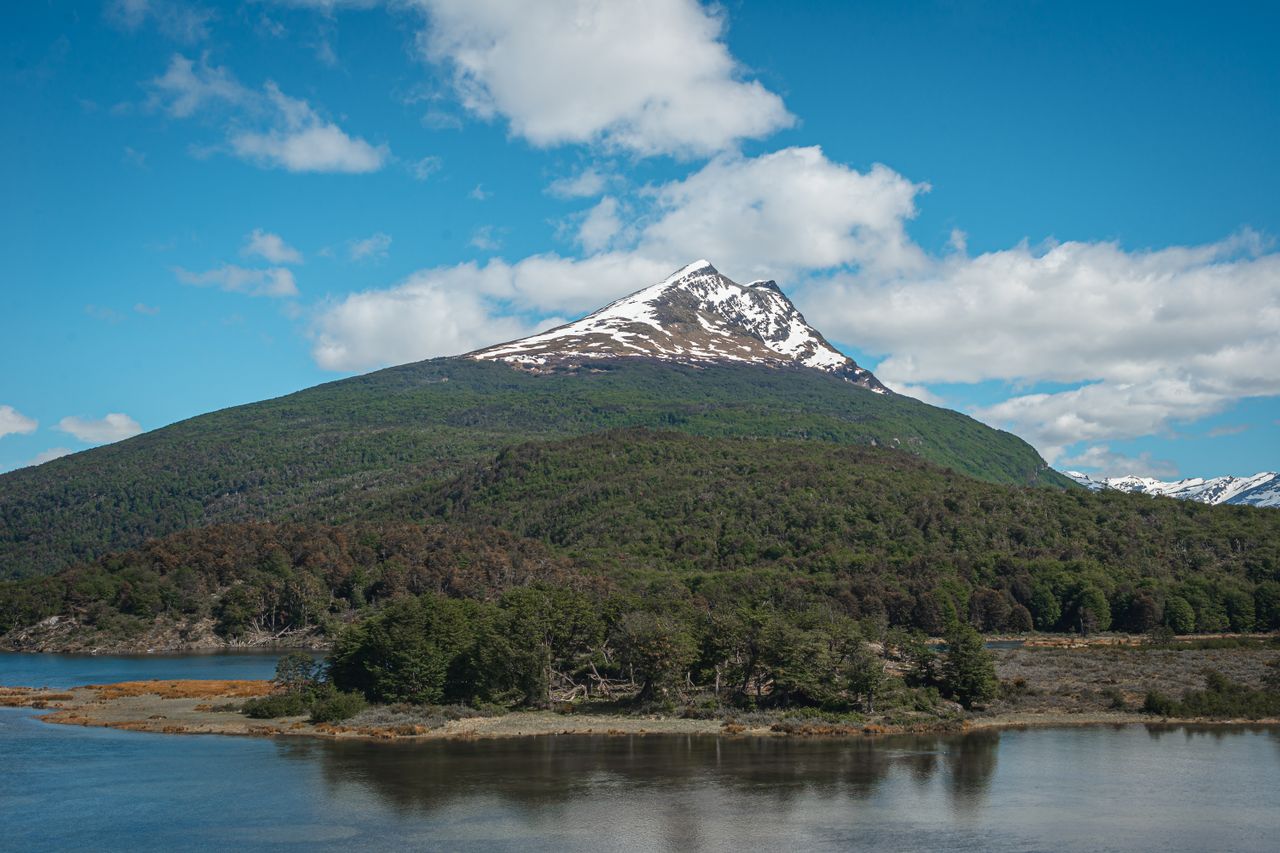
The rare authorized landings provide access to a dense and undisturbed forest, with mosses, lichens and an end-of-the-world atmosphere difficult to find elsewhere in Argentina.
Photography Tips
Raking light in late afternoon during the austral summer (November–March) is ideal for photographing the lighthouse and rocky coastlines. Pack waterproof equipment: sea spray is constant. Sea lion colonies are best photographed from the boat with a telephoto lens to avoid disturbing them.
Location and Access
Staten Island is located approximately 30 km east of Cape San Diego, the eastern tip of Tierra del Fuego. It is accessible only by sea from Ushuaia, the departure point for all expeditions. Several local agencies offer sailboat or expedition cruiser crossings, typically lasting several days. There is no regular transport or permanent tourist infrastructure on the island. Access is subject to weather conditions, often unpredictable in the Le Maire Strait.
- Departure from Ushuaia port
- Crossing variable depending on vessel type and weather conditions
- No accommodation infrastructure on the island
- Accessibility for people with reduced mobility: not adapted (rugged terrain, zodiac landings)
In the Area
- Beagle Channel — iconic maritime route skirting Ushuaia, departure point for many excursions to nearby islands and glaciers.
- Cape Horn — mythical tip of South America, accessible by maritime expedition from Ushuaia.
- Tierra del Fuego National Park — forests, lagoons and hiking trails on the outskirts of Ushuaia.
Frequently asked questions
The austral summer, from November to March, offers the best weather conditions and the longest days. Outside this period, crossings are not recommended due to frequent storms.
No. The distance and maritime conditions require a multi-day expedition. Ushuaia agencies offer sailboat or expedition vessel circuits that include an overnight stay aboard.
The island is a provincial nature reserve. Landings are regulated and must be organized through authorized operators. Consult with local agencies in Ushuaia before departing.
Waterproof and windproof clothing are essential, thermal layers, waterproof hiking boots. Temperatures remain cool even in summer, and sea spray is constant.
Jules Verne drew inspiration from the San Juan de Salvamento lighthouse for his 1905 novel The Lighthouse at the End of the World. The current lighthouse is a replica inaugurated in 1998 as a tribute to this literary history.

Nearby
Interested in this visit?
We can include it in your personalised itinerary.