Los Glaciares National Park
Los Glaciares National Park
A UNESCO World Heritage site, Los Glaciares National Park is home to the Perito Moreno Glacier and the granite spires of Fitz Roy. An exceptional glacial territory to explore from El Calafate.
Los Glaciares National Park spans more than 700,000 hectares across Argentine Patagonia, west of Santa Cruz province. Designated a UNESCO World Heritage site in 1981, it shelters the world's third-largest continental ice field after Antarctica and Greenland. Its flagship attraction, the Perito Moreno Glacier, is one of the rare glaciers on the planet still advancing. The park also offers turquoise-lake scenery, southern beech forests, and granite summit peaks.
Quick Practical Facts
- Entrance: paid admission — tiered pricing for Argentine residents and international visitors, payable at the park entrance or online
- Access from El Calafate: approximately 80 km to the Perito Moreno Glacier; daily shuttle services and tour buses from the city bus terminal
- Recommended duration: a full day for Perito Moreno; several days to combine trekking and the Fitz Roy sector
- What to wear: waterproof and windproof clothing essential; hiking boots for the trails
- Opening season: the park is open year-round; the Perito Moreno walkways are accessible continuously
- Accessibility: the Perito Moreno panoramic walkways are partially accessible by wheelchair
What to See
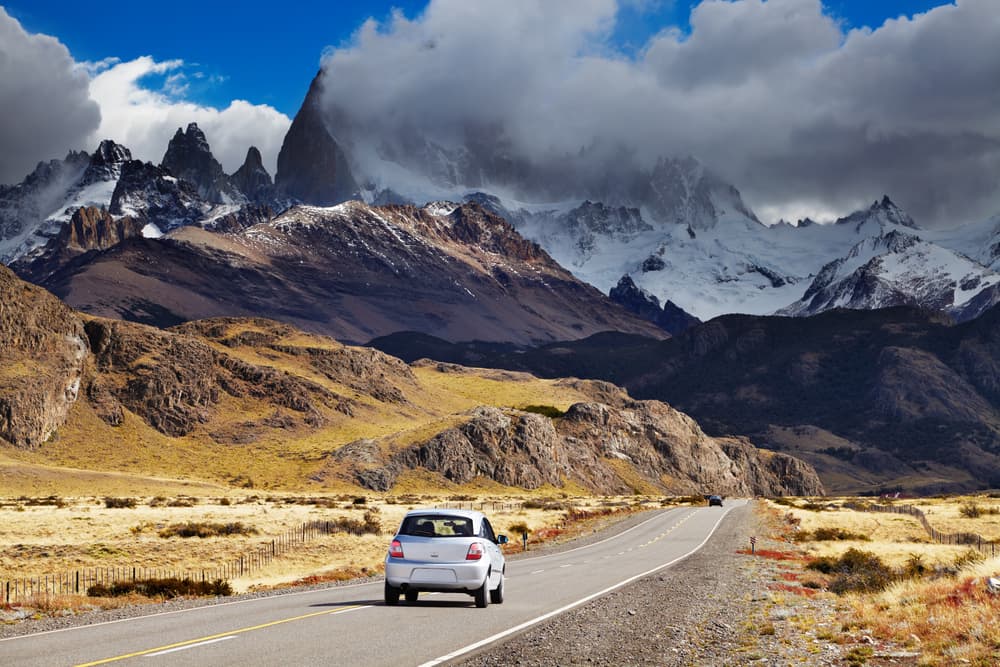
The park divides into two main sectors. In the south, the Perito Moreno Glacier dominates Lake Argentino with an ice front 5 km wide and 60 m high. Wooden walkways allow you to observe calving from several vantage points. In the north, the El Chaltén sector concentrates hiking toward Fitz Roy (3,405 m) and Cerro Torre, two of the world's most celebrated granite rock faces in mountaineering.
History and Context
The park was established in 1937, one of Argentina's earliest. Its name honors Francisco Pascasio Moreno, an Argentine explorer and naturalist who helped delineate the border with Chile in the late 19th century. UNESCO inscription in 1981 recognized the exceptional value of its glacial ecosystems and biodiversity, including condors, pumas, and huemuls (endangered Andean deer).
Highlights of Your Visit
The Perito Moreno Glacier and Its Calvings
From the walkways, you witness ice blocks breaking off in real time in a deep rumble before plunging into Lake Argentino. The phenomenon is unpredictable but frequent. Boat cruises allow you to approach the glacier front from just a few hundred meters away.
Ice Trekking (Minitrekking and Big Ice)
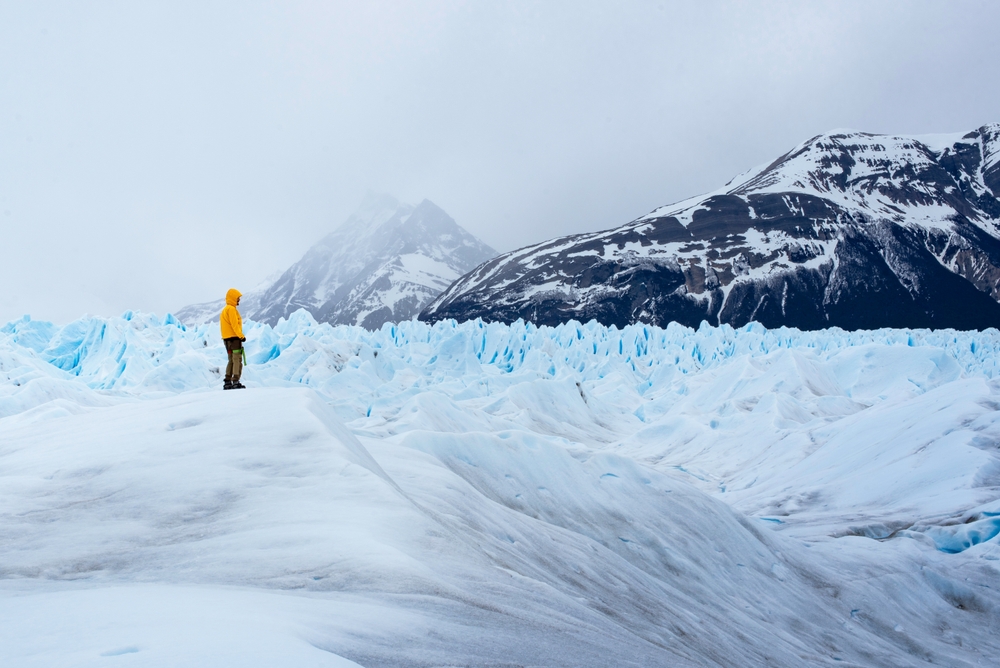
Guided excursions let you walk directly on the Perito Moreno Glacier, equipped with provided crampons. Minitrekking suits beginners; Big Ice is geared toward experienced hikers and lasts several hours on the ice surface.
The Fitz Roy Sector and El Chaltén
The village of El Chaltén, roughly 220 km north of El Calafate, serves as the jumping-off point for trails to Laguna de los Tres and Laguna Torre. These hikes offer direct views of the granite spires of Fitz Roy and Cerro Torre, without technical equipment required on the marked trails.
Navigation on Lake Argentino
Boats depart from Puerto Bandera to reach the Upsala and Spegazzini glaciers, less crowded than Perito Moreno. Upsala Glacier is one of South America's largest; Spegazzini stands out for its particularly high ice front.
Photography Tips
Morning light is softer on the Perito Moreno front, which faces broadly eastward. In the afternoon, the sun shines directly on the ice and brings out blue tones. Bring a wide-angle lens to capture the entire glacier front from the upper walkways. For Fitz Roy, dawn from Laguna de los Tres offers the classic reflection in still water.
Location and Access
The park is accessible from El Calafate, connected by air to Buenos Aires and Bariloche. Daily shuttles and tour buses service the Perito Moreno sector. For El Chaltén, long-distance buses link El Calafate to the village in roughly three hours. National Route 40 and Provincial Route 23 form the main axes. Car rental is available from El Calafate for greater flexibility.
Nearby Attractions
- El Calafate — gateway town to the park, with restaurants, lodging, and tour operators.
- El Chaltén — mountain village at the foot of Fitz Roy, Argentina's trekking capital.
- Lago Argentino — Argentina's largest lake, its turquoise waters bordering the park along its entire eastern edge.
- Cueva de las Manos — UNESCO rock art site several hours north on Route 40, featuring paintings 9,000 years old.
Frequently asked questions
The austral summer (November to March) offers the longest days and mildest temperatures. March and April combine fewer crowds with interesting autumn light. Winter (June–August) is possible, but some trails may be snow-covered and weather conditions more challenging.
During high season (December–February), advance reservation of minitrekking and Big Ice is strongly recommended, as spots are limited. El Calafate agencies and online operators allow booking several weeks ahead.
Calvings are frequent but unpredictable. By spending two to three hours on the walkways, the odds of observing at least one are high. Patience is the only guarantee.
Technically yes, but not recommended. El Chaltén is roughly three hours' drive away. To make the most of hikes to Laguna de los Tres or Laguna Torre, plan for at least one night in the village.
Yes, photography is free across the entire park. No particular restrictions apply to the Perito Moreno walkways or hiking trails.
Patagonian winds can be fierce even on clear days. Bring layered clothing, a waterproof windbreaker, a hat, and gloves. Hiking boots are essential for ice trekking; comfortable shoes suffice for the walkways.
Interested in this visit?
We can include it in your personalised itinerary.