Pucará de Tilcara
Pucará de Tilcara
A pre-Hispanic fortress perched on a rocky outcrop in the Quebrada de Humahuaca, Pucará de Tilcara is the best-preserved archaeological site in northwestern Argentina, offering exceptional views across the valley.
Pucará de Tilcara is a pre-Hispanic fortress perched on a rocky promontory overlooking the Quebrada de Humahuaca in Jujuy Province. Built by the Tilcara people between the 11th and 15th centuries, this archaeological site ranks among the best-preserved in northwestern Argentina. It offers direct insights into pre-Columbian Andean architecture and sweeping panoramas of the valley and the multicolored mountains beyond.
Quick Facts
- Entrance: Paid entry (national rate, reduced for Argentine residents and children)
- Recommended duration: 1.5 to 2 hours to explore the entire site
- Access: On foot from central Tilcara, a short walk via a marked trail
- Footwear: Hiking shoes recommended; terrain is uneven and rocky
- Altitude: Approximately 2,465 m — allow time to acclimatize before your visit
- Accessibility for disabled visitors: Limited due to rugged terrain
What You'll See
The site comprises several hundred stone structures: residences, storage facilities, ceremonial spaces, and narrow streets. An Andean cactus botanical garden occupies part of the plateau. A commemorative monument erected in the 20th century marks the summit. The associated archaeological museum, located downhill in the village, complements your visit with ceramic and bone artifacts recovered from excavations.
History and Context
The Pucará — a Quechua term for a fortification — was primarily inhabited by the Tilcara culture, then incorporated into the Inca Empire in the 15th century. The Spanish found it abandoned upon their arrival. The first scientific excavations began in 1908 by researchers from the University of Buenos Aires. The Quebrada de Humahuaca, of which Tilcara is the heart, has been a UNESCO World Heritage Site since 2003.
Highlights of Your Visit
The Panorama Across the Quebrada
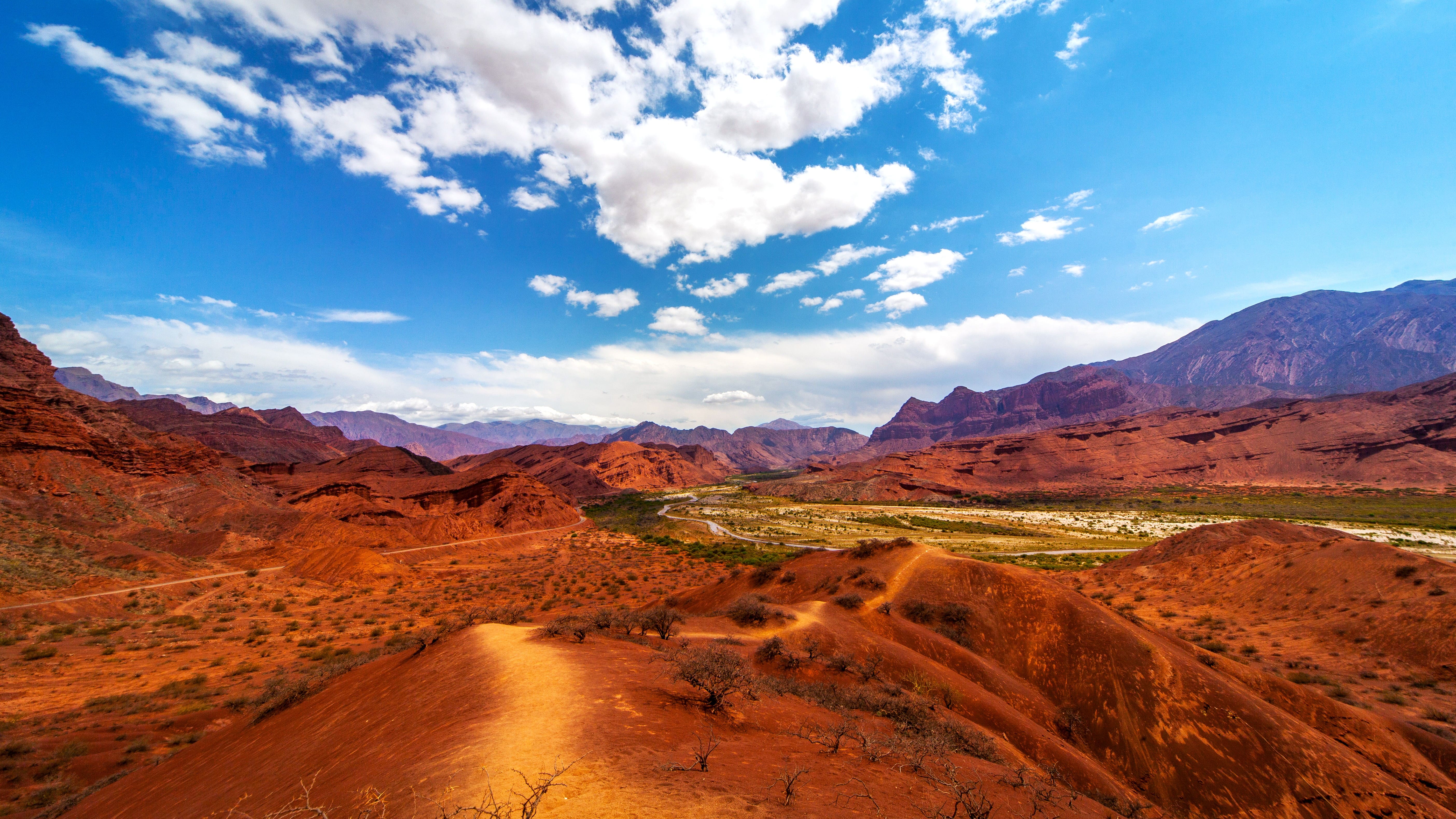
From the summit of the promontory, the view encompasses the narrow valley, the Río Grande, and the ochre, red, and violet slopes of the surrounding mountains. Late afternoon light accentuates the chromatic contrasts of the geological strata.
Defensive and Domestic Structures
The dry stone walls reach more than a meter in height in places. Storage areas (colcas) are clearly distinct from residential zones, making the site's social organization remarkably legible.
The Cactus Garden
Integrated into the site, it brings together endemic species from the puna and quebrada: giant cardón cacti, candelabra-form specimens, and xerophytic plants. An unexpected botanical complement to your archaeological exploration.
The Juan Bautista Ambrosetti Archaeological Museum
Located in the village, it preserves collections from excavations: Tilcara ceramics, burial objects, textiles, and bone remains. Visiting the museum before exploring the site helps contextualize what you observe on the ground.
Photography Tips
Golden late-afternoon light (4 p.m.–6 p.m. depending on the season) is ideal for photographing stone walls and the mountain backdrop. Morning provides raking light that reveals texture in the ruins. Avoid midday: the high altitude sun flattens relief and overexposes light-colored stone. No known photography restrictions apply on site.
Location and Access
Tilcara lies in the Quebrada de Humahuaca, approximately 85 km north of San Salvador de Jujuy via National Route 9. The Pucará is accessible on foot from the village's central plaza in minutes. Regular intercity buses connect Jujuy and Humahuaca with stops in Tilcara. From Purmamarca, the distance is about 25 km north along the same road.
Nearby Attractions
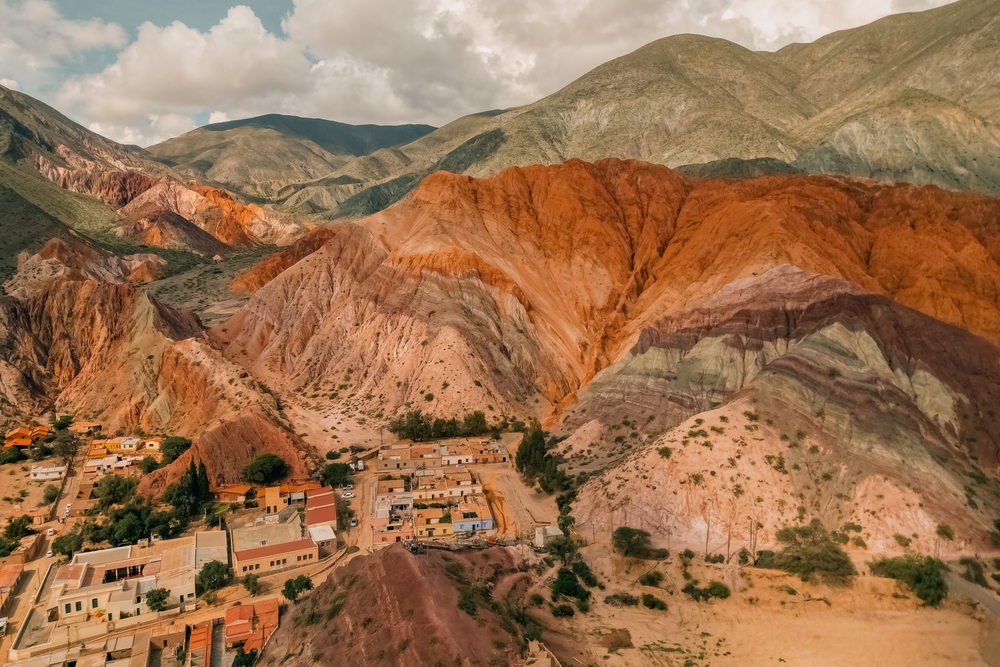
- Purmamarca — a village famous for its Cerro de los Siete Colores and artisan markets, approximately 25 km to the south.
- Humahuaca — a historic town featuring an Independence monument and colonial cathedral, further north in the quebrada.
- Quebrada de Humahuaca — a UNESCO-listed valley connecting all of the region's sites.
- Uquía — a small village known for its angel arquebusiers, unique colonial paintings preserved in its church.
Frequently asked questions
The dry season (May to October) offers the most stable conditions: clear skies and pleasant daytime temperatures. The Southern Hemisphere summer (December–March) coincides with the rainy season, featuring frequent afternoon showers.
Hiking shoes with slip-resistant soles are strongly recommended. The terrain is uneven, rocky, and can be slippery after rain. Light sandals are not advisable.
The site stands at approximately 2,465 m above sea level. If you're arriving directly from Buenos Aires or a lower-altitude city, plan an acclimatization day in Tilcara before visiting the Pucará. Stay well-hydrated and avoid sudden exertion.
Yes, both sites are approximately 25 km apart. Starting early, you can visit the Pucará in the morning and Purmamarca in the afternoon, or vice versa. A rental vehicle or intercity bus makes traveling between the two straightforward.
The Juan Bautista Ambrosetti Museum, located in the village, is managed by the same institution as the Pucará. Ask at the ticket window upon arrival about current combined access options.
Local guides offer their services at the site entrance or through Tilcara-based agencies. A guided tour substantially enriches your understanding of the structures and Tilcara history. Inquire at your accommodation or the local visitor center.
Interested in this visit?
We can include it in your personalised itinerary.