Upsala Glacier
Upsala Glacier
Accessible only by boat from Puerto Bandera, Upsala Glacier offers navigation among giant icebergs and a several-kilometer-wide glacier face within Los Glaciares National Park.
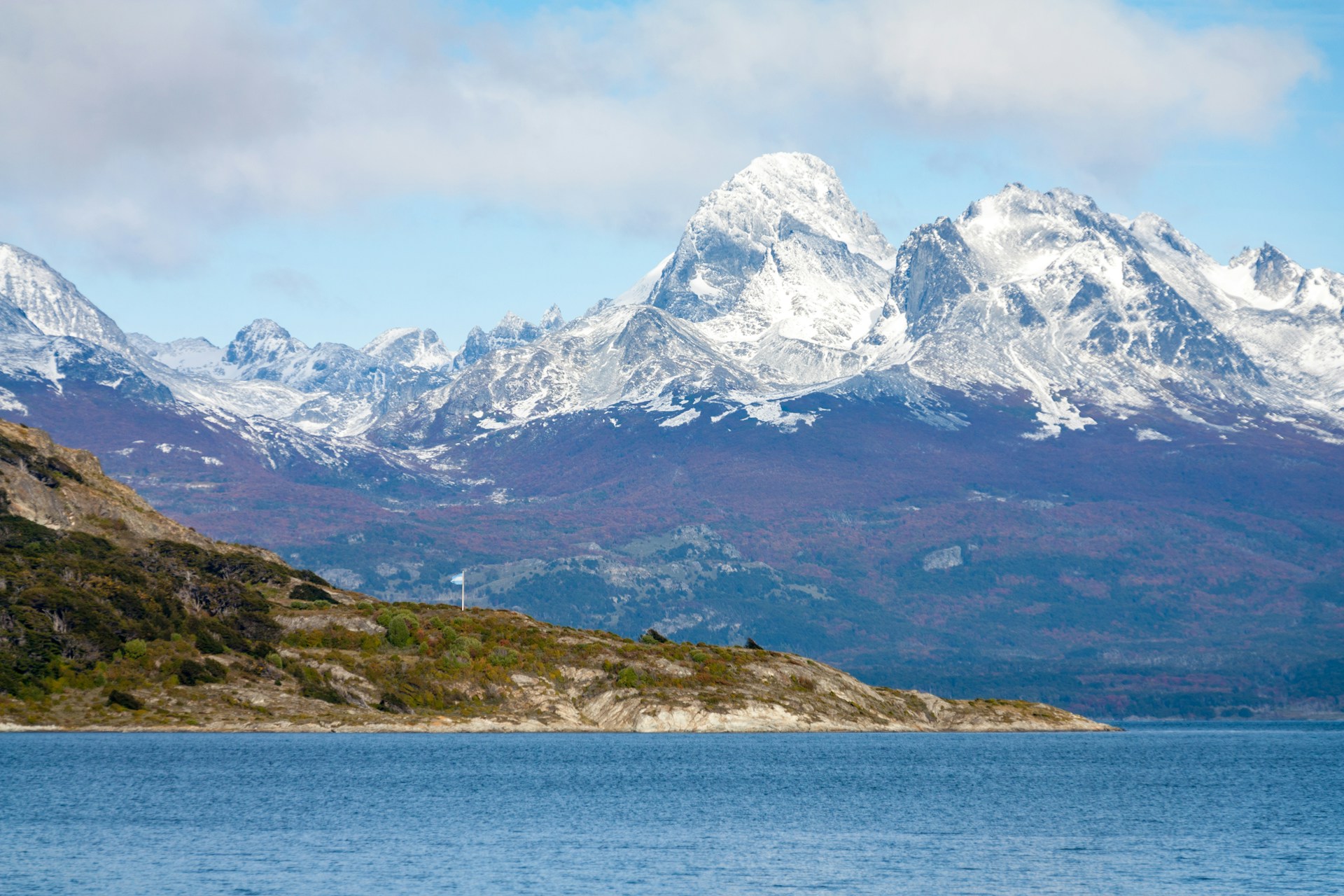
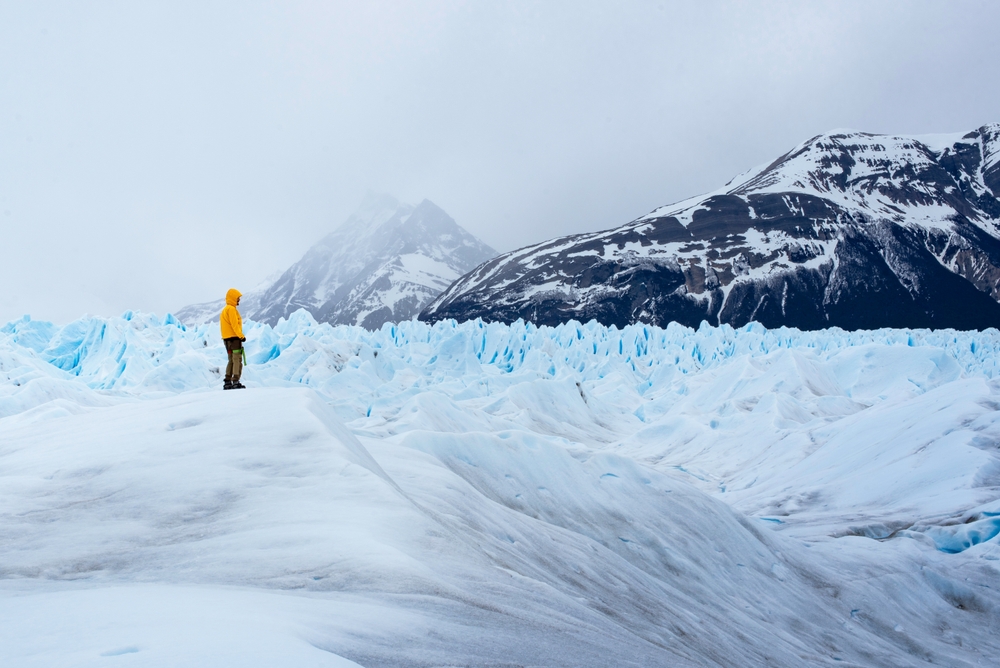
Upsala Glacier stretches across the northwestern face of Lago Argentino, within Los Glaciares National Park in Argentine Patagonia. It ranks among Patagonia's largest glaciers by surface area, fed by the South American ice field. Unlike Perito Moreno, it is accessible only by boat, lending it a rare sense of isolation. Its glacier face, bristling with blue seracs, reflects in waters scattered with drifting icebergs.
Essential Information
- Access: exclusively by boat excursion from Puerto Bandera, approximately 50 km from El Calafate.
- Recommended duration: a full day (combined excursion with other glaciers on Lago Argentino).
- Entry: included in Los Glaciares National Park admission ticket, which is paid.
- Attire: warm and waterproof clothing essential, even during Austral summer.
- Accessibility: limited — the boat itself is accessible, though observation areas depend on the vessel chosen.
What You'll See
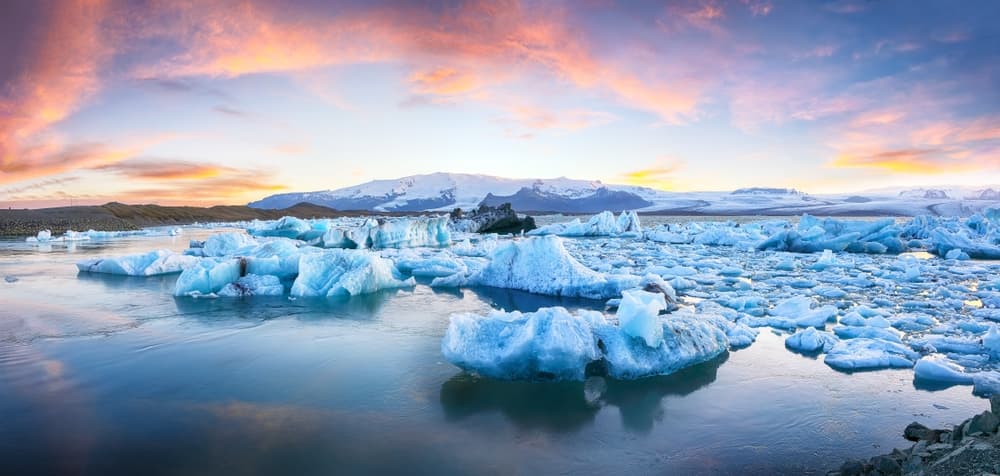
Upsala Glacier's face stretches several kilometers wide. Blue ice cliffs rise directly from the water, regularly releasing blocks that collapse into the lake with thunderous crashes. The boat navigates among icebergs of all sizes, some sculpted into translucent arches. Ice color varies from milky white to deep blue depending on density and age.
History and Context
Upsala Glacier takes its name from Uppsala University in Sweden, whose scientists mapped the region in the early twentieth century. For decades, it was considered Patagonia's largest glacier. Since the 1990s, it has retreated significantly: its surface area and thickness have diminished measurably, making it a visible indicator of climate change across South America.
Highlights of Your Visit
Navigation among Drifting Icebergs
The boat slows in the iceberg-strewn zone, sometimes within meters of the blocks. Some icebergs display electric blue hues, the result of extreme ice compression over millennia. Silence is broken only by the cracking of ice and cries of marine birds.
Calving of the Glacier Face
Witnessing a calving event—the collapse of an ice mass into the lake—remains a highlight. The phenomenon is unpredictable but frequent. Sound precedes sight: a deep rumble, then a white spray of water.
Views of the South American Ice Field
On clear days, the backdrop reveals the vast Patagonian ice field, the feeding source for the glacier. This perspective conveys the true scale of the glacial system, invisible from land.
Photography Tips
Morning light is softer and avoids harsh reflections on ice. Favor a wide-angle lens to capture the glacier face in its entirety. For icebergs, seek the submerged portion visible beneath the water—Lago Argentino's transparency permits this on calm days. Avoid flash, unnecessary at this distance. Protect your equipment from moisture and spray.
Location and Access
Upsala Glacier lies within the Los Glaciares National Park, on the northern sector of Lago Argentino. Boat excursions depart from Puerto Bandera, reachable from El Calafate by road. Excursions are organized by licensed local operators and typically include a stop at Spegazzini Glacier. No land access exists to the glacier itself.
From El Calafate, Perito Moreno Glacier is the park's other major attraction, accessible by road and feasible as a half-day visit.
Nearby Attractions
- Perito Moreno Glacier — Patagonia's most celebrated glacier, accessible on foot from panoramic walkways.
- Spegazzini Glacier — often included in the same boat excursion, boasting one of the park's highest glacier faces.
- Lago Argentino — Argentina's largest lake, setting for all glacial excursions in the region.
- El Calafate — base town for park visits, with accommodations and local agencies.
Frequently asked questions
Austral summer (November to March) offers the best weather and longest daylight hours. Outside this period, excursions may be canceled due to wind or navigation conditions.
No, both glaciers require separate excursions. Upsala is visited by boat from Puerto Bandera; Perito Moreno is accessible by road from El Calafate. Plan two separate days.
Warm clothing in layers, a waterproof jacket, and windbreaker are essential. Temperatures on the lake are significantly lower than in El Calafate, even in summer. Gloves and a hat are recommended.
Yes. Since the 1990s, Upsala Glacier has lost surface area and thickness in documented fashion. This retreat ranks among Patagonia's most pronounced and is attributed to regional climate warming.
Yes, without particular restriction. Protect your equipment from spray and cold. Drones are subject to national park regulations and require prior authorization.
Excursions combining Upsala and Spegazzini typically span a full day, departing early morning from Puerto Bandera. Verify schedules with your local operator at the time of booking.
Interested in this visit?
We can include it in your personalised itinerary.