Lago Viedma
Lago Viedma
A 75 km glacial lake in Argentine Patagonia, Lake Viedma receives waters from the glacier of the same name and offers ice trekking, drifting icebergs and direct views of the Fitz Roy massif.
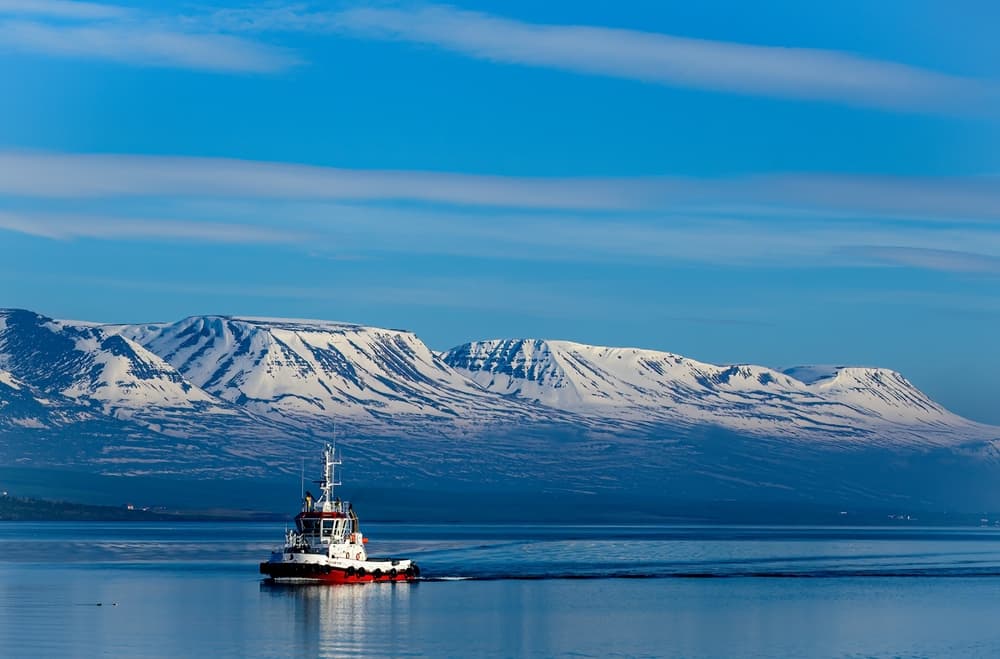
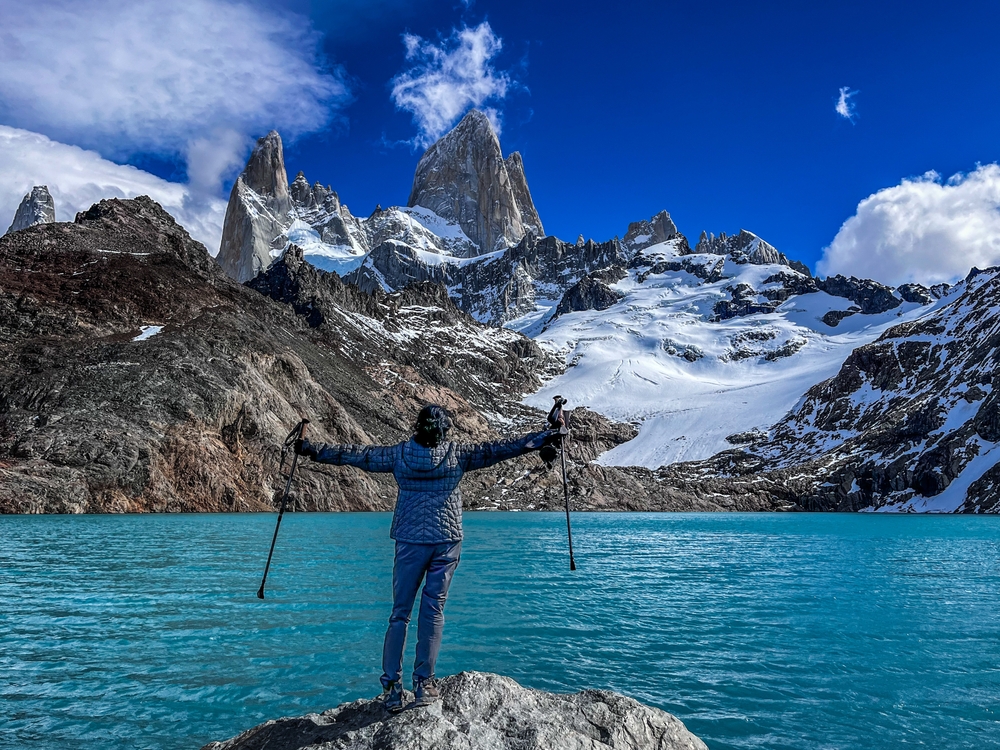
Lake Viedma stretches across Santa Cruz Province in Argentine Patagonia, at the foot of the Andes. Spanning roughly 75 km, it receives waters from the Viedma Glacier — one of the largest in the Southern Patagonian Ice Field. Its milky blue-grey waters, colored by glacial flour, contrast dramatically with the jagged peaks of the Fitz Roy massif. It serves as a gateway to glacier expeditions and high-altitude panoramas.
Quick Practical Information
- Access: from El Chaltén (north shore) or Lago del Desierto; dirt tracks, vehicle recommended.
- Suggested duration: half-day for the shorelines; full day for a glacier excursion.
- Season: accessible mainly October through April; roads closed during southern winter.
- What to wear: waterproof and windproof clothing essential, violent winds frequent.
What You'll See
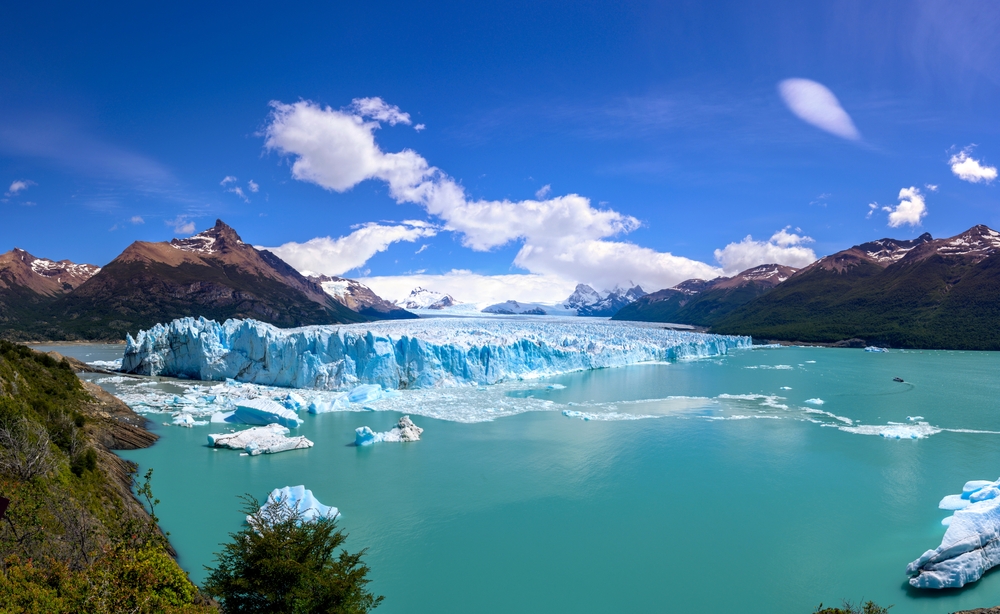
The lake is dominated by the front of the Viedma Glacier, its seracs plunging directly into the water. Drifting icebergs, sometimes tinged blue, scatter across the surface. On the north shore, Patagonian steppe vegetation gives way to lenga forests (southern beech). On clear days, Cerro Torre and Fitz Roy loom on the northwestern horizon.
History and Context
The lake bears the name of Francisco de Viedma, an 18th-century Spanish explorer who traversed Patagonia. The region remained inaccessible for centuries; El Chaltén, the nearest town, was founded only in 1985 to assert Argentine sovereignty against Chile. Lake Viedma and its glacier are part of Los Glaciares National Park, designated a UNESCO World Heritage Site in 1981.
Highlights of Your Visit
Viedma Glacier Excursion
Local outfitters offer boat crossings to the glacier front, followed by cramponed ice trekking. It's one of the rare opportunities in Argentina to walk a continental glacier without personal mountaineering gear.
Panorama from the North Shore
The track along the north shore provides sweeping views of the entire lake. Morning light, low and angled, reveals the texture of icebergs and the milky hue of glacial meltwater.
Patagonian Wildlife
Andean condors, flamingos (seasonal) and guanacos frequent the lake's edges. The waters harbor rainbow trout, introduced in the 20th century.
Photography Tips
Morning light (before 10 a.m.) is most favorable: it illuminates the glacier front head-on and minimizes water glare. A polarizing filter reduces reflections and strengthens contrast between ice and sky. Pack a waterproof bag — mist and wind-driven dust are relentless. Photography is unrestricted throughout the site.
Location and Access
Lake Viedma lies roughly 30 kilometers south of El Chaltén, accessible via Provincial Route 23 (unpaved). El Chaltén itself sits about 220 km north of El Calafate, connected by National Route 40. From El Calafate, allow approximately 3 hours of driving. No regular public transport serves the lake shores directly; shuttles and organized tours depart from El Chaltén. Wheelchair accessibility to the shorelines is limited due to unimproved terrain.
In the Vicinity
- Perito Moreno Glacier — Patagonia's most celebrated glacier, accessible from El Calafate, roughly 3 hours away.
- Cerro Fitz Roy — iconic park summit, starting point for numerous treks from El Chaltén.
- Lago del Desierto — glacial lake north of El Chaltén, wilder and less crowded.
- El Chaltén — mountain village, essential logistics hub for exploring the region.
Frequently asked questions
October through April, Patagonia is accessible and daylight is long. November-December and March typically offer less wind and more stable conditions than peak summer (January-February).
No. Glacier access requires an organized excursion with a certified guide and provided equipment (crampons, harness). Venturing alone is dangerous.
Yes, both sites lie within Los Glaciares National Park, but in two distinct sectors: the northern sector (El Chaltén / Viedma) and the southern sector (El Calafate / Perito Moreno), separated by roughly 220 km of road.
Entry to Los Glaciares National Park is charged for foreign visitors. The fee is set by Argentina's National Parks Administration and may vary seasonally; verify current rates at the park office in El Chaltén.
Difficult in a single day if you want to do the glacier excursion. It's more realistic to dedicate one day to the lake and glacier, and another to treks toward Fitz Roy or Cerro Torre.
Interested in this visit?
We can include it in your personalised itinerary.