Museo de Arqueología de Alta Montaña (MAAM)
Museo de Arqueología de Alta Montaña (MAAM)
The MAAM houses the Inca mummies found at the summit of Llullaillaco in 1999. In the heart of Salta, this museum presents ritual remains exceptionally preserved by high-altitude cold, along with their offerings in gold, silver and textiles.
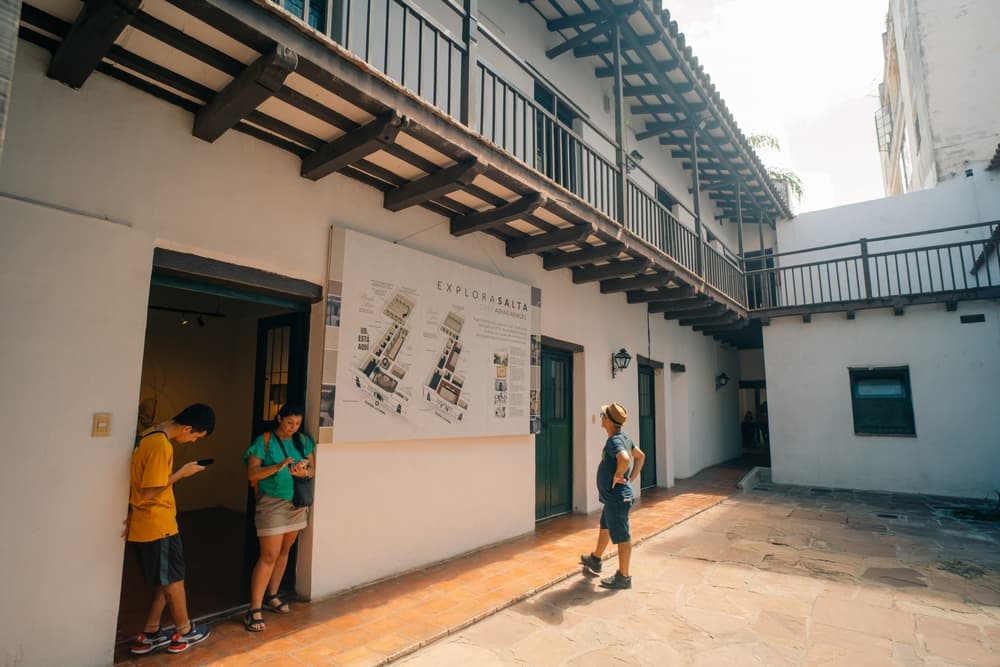
The MAAM — Museo de Arqueología de Alta Montaña — occupies a colonial building in downtown Salta and houses one of South America's most remarkable archaeological discoveries: the Inca mummies of children from Llullaillaco, found in 1999 at the summit of the eponymous volcano at more than 6,700 meters elevation. The museum weaves together archaeology, Andean anthropology and Inca history around these remains, exceptionally preserved by cold and altitude.
Practical information at a glance
- Admission: paid entry (reduced rates for students and Argentine residents)
- Closed days: Tuesdays
- Recommended duration: 1.5 to 2 hours
- Access: located on Plaza 9 de Julio, Salta's historic center, walkable from most downtown hotels
- Rules: photography prohibited in rooms displaying the mummies
What to see
The museum centers on three Inca mummies — the Niña del Rayo, the Niña del Llullaillaco and el Niño — sacrificed during a capacocha ritual approximately 500 years ago. Only one mummy is displayed at a time, in a refrigerated capsule that replicates preservation conditions from the summit. Other galleries showcase the burial offerings: statuettes in gold, silver and shells, textiles, ceramics and ritual objects.
History and context
In 1999, an archaeological expedition led by Johan Reinhardt discovers the three children at the summit of Llullaillaco, a volcano on the Argentina-Chile border. The extreme cold preserved their bodies, clothing and offerings in a remarkably rare state. The capacocha ritual involved offering children to Andean gods during major events in the Inca empire. Salta built the MAAM to house these remains under appropriate scientific conditions.
Highlights of your visit
The mummy in refrigerated capsule
The deliberate choice to display only one mummy at a time is respectful of local indigenous communities who claim these children as ancestors. The capsule maintains a temperature close to that of the volcanic summit. The effect is striking: facial features, hair and clothing remain intact.
Inca offerings and textiles
The anthropomorphic statuettes in precious metals and animal figurines in spondylus shell illustrate the sophistication of Inca imperial workshops. The miniature textiles, woven with remarkable precision, reveal the Andean techniques of the era.
Ritual context explained
Bilingual panels (Spanish/English) place the sacrifice within Inca cosmology: summits were divinities (apus), and chosen children were regarded as sacred messengers. This contextual framing avoids any sensationalist interpretation.
Photography tips
Photography is permitted in introductory and offerings galleries. It is strictly forbidden before the mummies — a rule enforced by staff. Plan to observe visually or take notes: the experience benefits from being lived without a screen.
Location and access
The MAAM sits on Plaza 9 de Julio, Salta's historic heart, steps away from the cathedral and Cabildo. The downtown area is compact and entirely walkable. From the bus station or airport, a taxi or city bus reaches the center in under thirty minutes. Accessibility for people with mobility restrictions is partial: inquire directly with the museum for details.
Nearby attractions
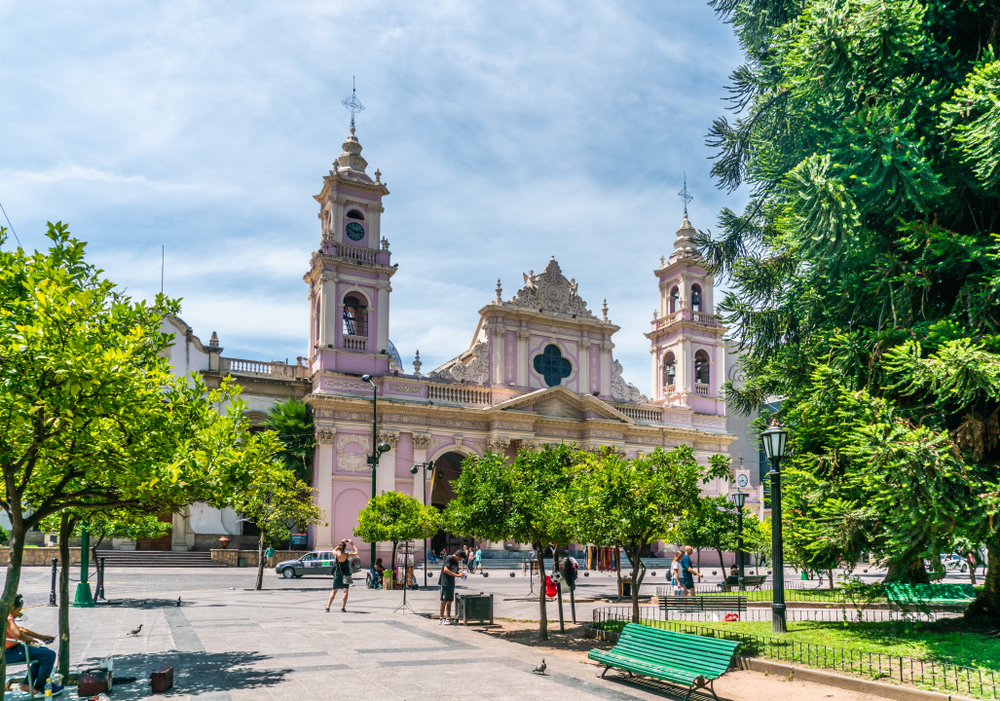
- Salta Cathedral — pink neoclassical building on Plaza 9 de Julio, steps from the museum.
- Cabildo of Salta — former seat of colonial government, now a regional history museum.
- Cerro San Bernardo — hill accessible by cable car offering panoramic views of the city and valley.
- Mercado Artesanal — Andean craft market (textiles, pottery, leather) in a former colonial house.
Frequently asked questions
No. Photography is prohibited in rooms displaying the mummies, out of respect for local indigenous communities and for conservation reasons. It remains permitted in other areas of the museum.
Only one mummy is shown at a time, on rotation. The other two are preserved in controlled conditions away from public display. Check before your visit to see which is currently visible.
No, the MAAM is closed on Tuesdays. For precise hours and public holidays, consult the official website or contact the museum directly before your visit.
Plan for 1.5 to 2 hours to tour all galleries and read the explanatory panels. Andean archaeology enthusiasts can easily spend more time.
Yes, with adult supervision. The presentation is sober and respectful, without macabre staging. Children are often fascinated by the offerings and statuettes. Prepare them for the nature of the remains on display.
Easily. The cathedral, Cabildo and Plaza 9 de Julio are within a five-minute walk. Cerro San Bernardo and Mercado Artesanal round out a full day in Salta's historic center.
Give it a go!
Our local experts arrange this activity for you.